
In today's retail world, where things are constantly changing, picking the right display solutions can make all the difference. Slatwall systems are really trending now because they help make products more visible and keep everything organized. But here’s the thing — with so many options out there, you’ve gotta choose wisely. Each type of slatwall has its own perks, so it’s not a one-size-fits-all deal.
When you're looking at store Slatwall setups, it’s super important to think about what your specific store actually needs. From custom sizes to different materials, these systems can totally transform your space. That said, the choice isn’t always obvious. Some options might seem nice at first but could end up cluttered or confusing if not planned out properly. That’s where having a good partner or expert by your side can really help you avoid the pitfalls and make smarter decisions.
Understanding your brand vibe and how your customers behave is key here. Store Slatwall solutions can vary a lot, so you wanna pick ones that match your store's look and feel. If you choose something that looks great but doesn’t really work for your customers, that’s a no-go. Take some time to explore the best options out there so you can create a shopping space that’s not just attractive but also super functional for your customers.
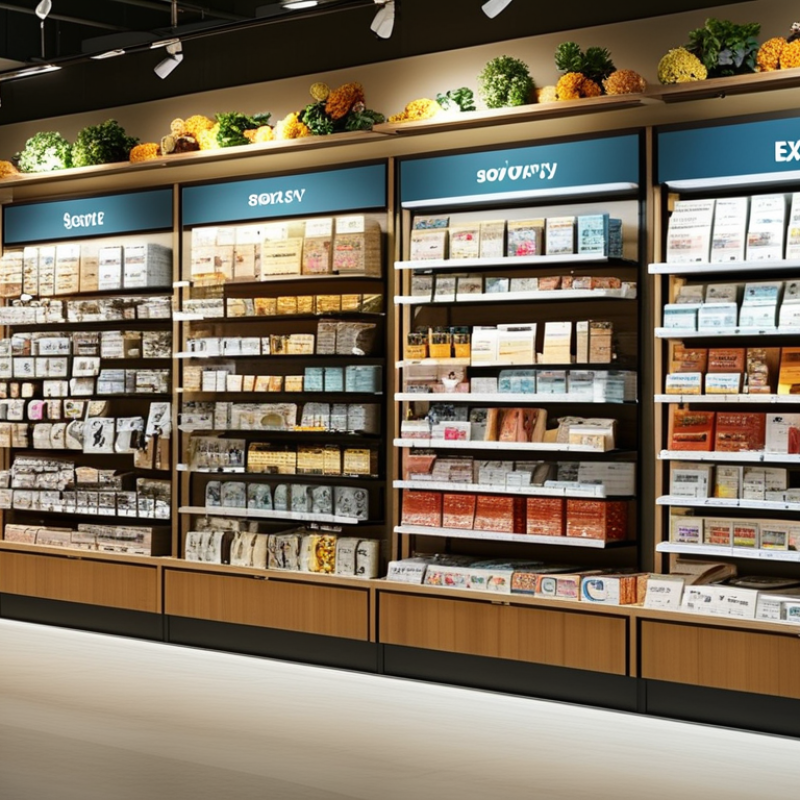
Slatwall systems have transformed retail spaces by providing versatile and efficient display solutions. These panels are not just walls; they are a canvas for creativity. Retailers can customize arrangements to fit their specific needs. Shelves, hooks, and baskets can be added or rearranged easily. This flexibility allows businesses to adapt displays frequently, keeping the shopping experience fresh.
Implementing slatwall is simple, yet it requires thoughtful planning. Each store's layout is unique, so understanding the dimensions and flow of your space is crucial. Not all designs will work for every retailer. Some might find the standard configurations don’t meet their specific needs. Experimenting with various setups could lead to discovering effective arrangements that enhance both visibility and accessibility.
The benefits of slatwalls extend beyond aesthetics. They can optimize space utilization and improve product organization. However, they are not without challenges. Retailers must balance style with functionality. Choosing the right materials and finishes matters greatly. Poor choices can result in a lackluster display. Continual evaluation and reflection on the effectiveness of your slatwall system will ensure it serves your business well.
When choosing slatwall panels for your business, it's crucial to focus on the key features that determine their quality. High-quality slatwall panels are typically constructed from sturdy materials like MDF or plywood. These materials provide strength and durability, essential for supporting heavy merchandise. According to the Slatwall Industry Report 2022, businesses that invest in high-quality slatwall solutions often see a 20% increase in product display efficiency.
One important feature is the variety of finishes available. A smooth finish ensures that your panels blend seamlessly into your store's aesthetic. Consider options like laminate or painted surfaces for a polished look.
Easy installation is also a must, as this reduces downtime during setup and helps you get your products on display faster.
Tips: Always check for the weight capacity of your slatwall panels. Knowing the limits can prevent damage. Additionally, consider customizable options to better fit your display needs. Remember, the right panels won't just hold your products; they can enhance the overall shopping experience. Investing time in selecting the right features pays off in customer engagement and sales.
Slatwall has become an essential fixture in retail environments. Industry statistics indicate that over 70% of retail spaces utilize slatwall systems. This versatile solution allows businesses to maximize their display areas effectively. Retailers appreciate slatwall for its adaptability. It enables the easy changing of product displays, accommodating various merchandise. The enhanced flexibility increases customer engagement and drives sales.
However, despite its many advantages, not every retailer fully understands slatwall's capabilities. Some may underestimate its impact on store aesthetics. An attractive display can influence shopping behavior. Research suggests that well-presented products have a 30% higher chance of being purchased. Yet, retailers sometimes overlook the importance of display configuration. Without thoughtful arrangement, even the best products can go unnoticed. This gap in understanding presents an opportunity for improvement.
Sales data reveals a consistent growth trend in slatwall installations. In recent years, slatwall solutions have gained popularity, with an annual growth rate of 10%. This surge indicates that businesses recognize the value of effective merchandising tools. Though there are challenges, such as installation and maintenance, the benefits often outweigh the drawbacks. Retailers must embrace slatwall not just as a functional element, but as a strategic asset in their business model.
When considering slatwall materials, understanding their unique properties is crucial for optimizing business display needs. PVC slatwall offers durability and lightweight advantages. It's resistant to moisture and easy to clean. Many retailers favor PVC for its versatility in various environments, including convenience stores and boutiques. A report by the Retail Environment Association notes that nearly 30% of retailers switch to PVC for its cost-effectiveness over time.
In contrast, wooden slatwall presents a classic aesthetic. Often used in high-end retail settings, it adds a tactile quality that attracts customers. However, wooden slatwalls are prone to wear and may require regular maintenance. This could increase overall operational costs. According to data from the National Retail Federation, about 25% of retailers report performance dips when using less durable materials. This highlights the need for a careful material selection process.
Metal slatwalls, highly regarded for their strength, support heavier items effectively. They work well in industrial applications and stores featuring hardware or home improvement products. Though initially pricier, they often prove to be long-lasting. The sales increase in these sectors, reflecting a market shift, is often linked to this durability. Retailers should weigh these material choices against their specific display requirements and customer interactions. Each option carries its own set of benefits and potential drawbacks.
| Slatwall Material Type | Durability | Weight Capacity | Common Applications | Cost per Sq Ft |
|---|---|---|---|---|
| MDF (Medium-Density Fiberboard) | Moderate | 75 lbs | Retail Displays, Showrooms | $10 |
| HPL (High-Pressure Laminate) | High | 100 lbs | Commercial Spaces, Retail | $20 |
| PVC (Polyvinyl Chloride) | Very High | 125 lbs | Food Industry, Humid Environments | $30 |
| Wood Veneer | Moderate | 50 lbs | Luxury Retail, Art Galleries | $15 |
| Metal Slatwall | Very High | 200 lbs | Industrial Environments, Heavy Duty | $40 |
Designing slatwall displays is an art. It's not just about aesthetics; it's about driving sales. Effective displays catch the eye and encourage customers to engage. Use bold colors and strategic lighting to highlight products. Place high-demand items at eye level. This simple rule can significantly increase sales.
Consider the layout carefully. Avoid cluttering the slatwall with too many products. Too many options can overwhelm shoppers. Instead, curate selections that resonate with your target audience. Frequent changes in display can create a sense of freshness. Rotating stock and seasonal themes keeps customers returning.
Feedback from customers is invaluable. Listen to their preferences. Observe how they interact with displays. It's okay to experiment with different arrangements. Some may not work as planned. Reflect on what does and adjust accordingly. This iterative approach fosters improvement and enhances sales performance.
Slatwall solutions provide a versatile option for retail businesses looking to optimize their space. By offering adjustable display systems, they allow for an efficient layout without the need for expensive installations. This flexibility caters to various inventory types, enhancing the shopping experience while maintaining organization.
Cost-effectiveness is a key advantage of implementing slatwall solutions. Initial investments may seem significant, but the durability and adaptability lead to long-term savings. Unlike traditional fixtures, slatwalls can be rearranged easily, accommodating changes in product lines. This adaptability can reduce the need for frequent remodeling, saving both time and money.
Not every solution fits all. While slatwalls are reliable, they may not suit every retail environment. Some businesses might find more traditional displays resonate better with their brand essence. Additionally, frequent shifts in merchandise could lead to wear and tear, prompting reflective decisions on maintenance and upgrades. Assessing these factors can help ensure your investment remains productive and aligned with evolving business needs.
Retailers are always seeking efficient display solutions. Slatwall systems have emerged as a favorite within the industry. Several successful retailers have embraced these systems, showcasing their versatility. For instance, a popular clothing store implemented slatwall displays to optimize space. They experienced a notable increase in customer engagement. Items were easily accessible, encouraging more impulse purchases.
Another case involves a local craft shop. They faced challenges in organizing diverse products. By using slatwall panels, they created a visually appealing layout. The adjustable hooks allowed for easy rearrangement. Customers appreciated the clear organization, leading to higher sales. However, not every retailer found immediate success. Some struggled with installation and customization. Reflecting on their experiences, they later adapted their approaches and improved outcomes.
Overall, slatwall systems provide valuable opportunities for retailers. Each case study highlights the potential of innovative displays. The ability to adapt and learn from challenges is crucial. Success in retail often depends on creative solutions and practical adjustments.
Retail spaces are continuously evolving, and the use of innovative solutions like maple slatwall is making a significant impact on sales efficiency. According to recent industry reports, the integration of slatwall solutions can lead to a remarkable 30% increase in sales performance. This rise is largely attributed to the adaptability and functionality that slatwall systems provide, enhancing product displays while maximizing available space.
The 4' x 8' x 3/4" maple slatwall panels come with strategically placed grooves, available in 3", 4", and 6" on-center (OC), allowing for versatile configurations that meet diverse retail needs. These grooves are designed to accept standard slatwall accessories with ease, facilitating the seamless integration of various display options. Retailers can personalize their environments to create visually appealing and efficient layouts that draw in customers. The easy-to-reconfigure nature of slatwall transforms any retail environment into a dynamic shopping experience that adapts to seasonal changes or new product launches.
By optimizing retail spaces with maple slatwall solutions, businesses not only enhance their displays but also create a more engaging shopping atmosphere. With these enhancements, retailers are better positioned to drive customer interaction, ultimately leading to increased sales efficiency and a more profitable bottom line.
: Slatwall systems are versatile panels used to display retail items creatively. They can be customized easily to fit different spaces.
They optimize space and improve organization, making product displays more effective. Customers engage better with well-arranged items.
Retailers may struggle with material choices and display arrangements. Poor decisions can lead to low visibility of products.
Proper arrangement is crucial. Up to 30% of well-presented products may sell better, proving the importance of display configuration.
Frequent changes keep the shopping experience fresh. Rotating stock and themes encourages customers to return regularly.
Yes, observing customer interactions with displays can help improve arrangement effectiveness. It's necessary to reflect on the feedback received.
Not all retailers may understand slatwall's full potential. Some configurations may not suit their specific needs, requiring thoughtful experimentation.
Slatwall installations have grown consistently, with a 10% annual increase. This shows recognition of their value in effective merchandising.
Use bold colors and strategic lighting. Limit product quantity to avoid clutter, as too many options can overwhelm shoppers.
Experimentation is key. Not all setups will work, so reflect on what does and adjust when necessary for better sales outcomes.
Store Slatwall solutions have become essential for optimizing retail environments by enhancing product display flexibility and organization. The article delves into the various aspects of slatwall systems, highlighting their benefits, key features of high-quality panels, and industry statistics that underscore their popularity in retail spaces. A comparative analysis of different slatwall materials reveals their unique applications, while best practices for designing slatwall displays are discussed to help retailers maximize sales potential.
Furthermore, a financial overview emphasizes the cost-effectiveness of slatwall solutions, making them a wise investment for businesses looking to improve their merchandising strategies. Case studies of successful retailers illustrate the practical advantages of utilizing store slatwall systems, showcasing how these versatile displays can significantly enhance customer engagement and drive revenue.