In the busy world of retail, how your displays look really can make all the difference. You've gotta grab folks’ attention, but at the same time, it needs to be practical—no point in having a pretty display that nobody can shop from, right? That's where PVC Slatwall really shines. The National Retail Federation says that smart, eye-catching displays can actually boost sales by up to 30%. Pretty impressive! What’s cool about PVC Slatwall is its modular design, so you can customize your layout to fit different products perfectly. It's super versatile, helping you get the best of both worlds—looking good and working well, and making the most of your space.
And let’s not forget, PVC Slatwall is lightweight but sturdy. Retailers love it because it’s easy to install and doesn’t break the bank. Plus, it looks sleek and polished, giving customers a nicer shopping vibe. Big brands are already on board, and you can see it in a bunch of stores, so it’s pretty much industry-approved.
That being said, a little planning goes a long way. If you just throw up displays without really thinking it through, it can get cluttered and confusing for customers—nobody wants that. So, taking some time to plan your setup is totally worth it. Even though PVC Slatwall has all these benefits, it still needs to be integrated thoughtfully to actually work well in your store. Get that right, and you’ll see the difference.
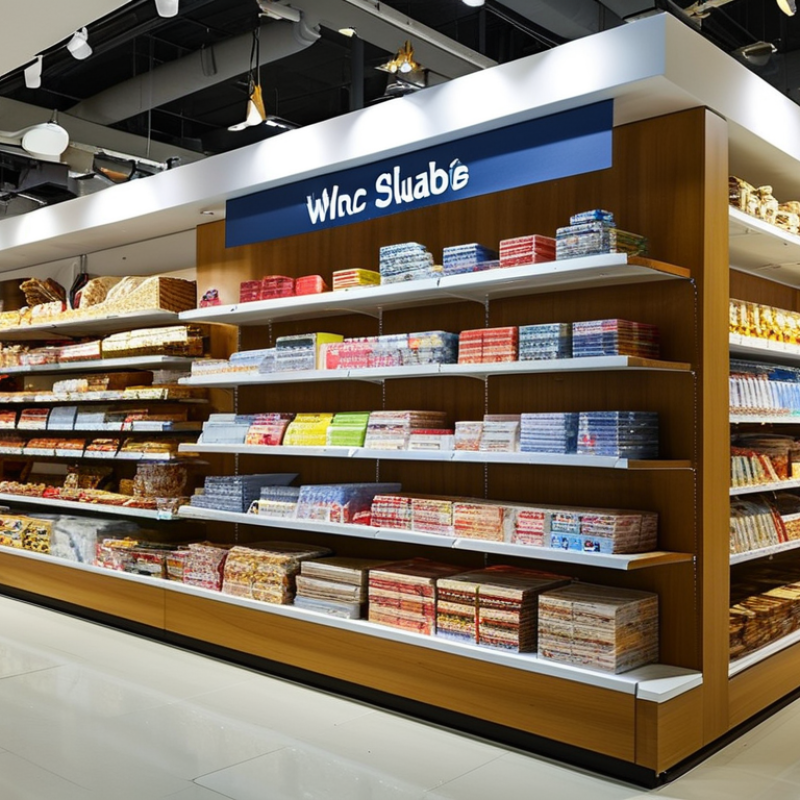
Understanding PVC Slatwall: An Overview
PVC slatwall is an innovative solution for retail displays. It offers flexibility in design and arrangement. Retailers can customize their setups easily. According to a recent industry report, 70% of retailers value versatility in display options. This makes PVC slatwall a popular choice.
The lightweight nature of PVC slatwall allows for easy installation and repositioning. This feature is vital for changing seasons and sales. A study found that businesses using adaptable displays see a 25% increase in sales. Retailers can quickly refresh their product presentation, keeping customer interest high.
Tips: Consider using different colors and finishes for your PVC slatwall. It enhances visual appeal. Regularly evaluate your display strategy. Are customers engaging with your products? Making small adjustments can lead to better results. PVC slatwall provides the tools for creating an inviting retail environment.
Key Advantages of Using PVC Slatwall in Retail Displays
PVC slatwall is gaining immense popularity in the retail display sector. Recent studies show that about 70% of retailers opt for slatwall systems. One key advantage of PVC slatwall is its durability. It can withstand heavy weights, making it ideal for displaying various products. This material is resistant to moisture and wear, which is crucial for long-term displays.
Another important factor is versatility. PVC slatwall can be customized to fit different retail environments. It comes in various colors and styles, allowing businesses to create an attractive display. Reports indicate that stores using slatwall systems see an increase in sales by up to 30%. The modular design allows retailers to update their displays easily. This adaptability meets ever-changing consumer preferences efficiently.
Additionally, maintenance is simplified with PVC slatwall. Regular cleaning does not require harsh chemicals. This aspect appeals to retailers looking for cost-effective solutions. The installation process is also straightforward. While some retailers may encounter initial challenges, the long-term benefits outweigh them. Overall, PVC slatwall proves to be a smart choice for retail setups, balancing aesthetics and functionality.
Design Flexibility and Customization Options with PVC Slatwall
PVC slatwall has gained popularity in retail environments due to its design flexibility and customization options. According to a report by the Visual Merchandising Association, 75% of retailers believe that well-designed displays enhance customer engagement. PVC slatwall allows for a variety of configurations, accommodating different products and store layouts. Retailers can choose from various colors, textures, and panel sizes, enabling them to create a distinctive atmosphere that aligns with their brand identity.
Customization is key. Retailers can easily adjust the placement of hooks, shelves, and signage on the slatwall. This adaptability supports seasonal changes or promotional displays. A study by the National Retail Federation found that 63% of shoppers prefer stores that frequently update their displays. PVC slatwall makes this simple and efficient.
Tip: Consider your target audience when choosing colors and textures for your slatwall. Bright colors can attract younger shoppers, while neutral tones often appeal to more sophisticated buyers.
Even with its advantages, imperfect installations can occur. Proper measurement and alignment are crucial for effectiveness. Slatwall panels that are not level may lead to a cluttered display.
Tip: Regularly assess and refresh your displays, ensuring they represent your offerings accurately and attractively. Keeping displays organized reflects a commitment to quality.
Durability and Maintenance Benefits of PVC Slatwall
PVC slatwall has become a popular choice for retail displays. Its durability stands out in a fast-paced retail environment. Unlike traditional materials, PVC resists scratches and dents. This means your display will withstand daily wear and tear. The shiny finish often attracts customers, making the products stand out even more.
Maintenance is another key benefit of PVC slatwall. It requires minimal upkeep. A simple wipe with a damp cloth removes dust and fingerprints. This ease of cleaning saves time for busy retail staff. In contrast, wood and other materials may need special products and techniques. This can be a hassle in a bustling store setting.
Some drawbacks exist. Although durable, PVC can be less eco-friendly than other options. While it lasts long, its disposal may not be the best for the environment. Retailers must weigh these factors. Understanding the trade-offs helps in making the right decision for display needs.
Cost-Effectiveness of PVC Slatwall for Retail Businesses
When considering display options for retail, cost-effectiveness is crucial.
PVC slatwall stands out due to its affordability and durability. Retail businesses can reduce expenses while maintaining quality aesthetics. The material is lightweight, making installation simpler and quicker. This means that labor costs are often lower than for traditional displays.
Moreover, PVC slatwall's versatility allows for various configurations. Retailers can easily adjust to current trends without significant investment. It's a practical solution for businesses wanting flexibility in their display arrangements.
However, there may be concerns about its long-term durability. Understanding how to properly maintain slatwall displays is important for maximizing their lifespan.
Investing in PVC slatwall might initially seem less appealing compared to more glamorous options. Yet, the practicality it offers can outweigh that perception. Over time, the savings from reduced material and labor costs can be substantial. Retailers should weigh these benefits against potential aesthetic shortcomings. Finding the right balance is key.
Sustainability Considerations for PVC Slatwall Materials
When considering retail displays, sustainability plays a key role. PVC slatwall materials have gained attention for their eco-friendly attributes. A report by Green Building Initiative highlights that PVC, when sourced responsibly, can have a lower environmental impact than wood. This aspect is attractive to retailers aiming to reduce their carbon footprint.
Recycling options for PVC are becoming more widespread. Studies show that up to 63% of PVC can be recycled effectively. This potential supports a circular economy. However, concerns about the production process still exist. Some processes can lead to harmful emissions if not managed properly. Retailers must weigh these factors when choosing materials, embracing transparency in their supply chains.
Another consideration is the longevity of PVC slatwalls. They often last longer than wood or other materials. This durability reduces waste over time. However, the challenge remains in ensuring that the end-of-life disposal of these materials aligns with sustainability goals. Retailers should partner with responsible recyclers to address this issue. Understanding the full life cycle of these products is essential for meaningful sustainability efforts.
Why Choose PVC Slatwall for Your Retail Display Needs? - Sustainability Considerations for PVC Slatwall Materials
| Feature |
Details |
| Material Type |
PVC (Polyvinyl Chloride) |
| Sustainability |
Recyclable and energy-efficient production |
| Durability |
Long-lasting and resistant to wear |
| Versatility |
Compatible with various accessories and displays |
| Aesthetic Appeal |
Available in various colors and finishes |
| Cost-Effectiveness |
Economical solution for retail displays |
| Maintenance |
Easy to clean and maintain |
Comparing PVC Slatwall to Other Display Solutions in Retail
PVC slatwall has become a popular choice for retail displays, but how does it truly compare to other options? A recent industry report by the Retail Displays Association notes that over 70% of retailers prefer slatwall for its flexibility and durability. Traditional display shelves may not offer the same versatility. Slatwall allows for easy adjustments and reconfigurations, which can significantly enhance the shopping experience.
Another compelling aspect is cost-effectiveness. According to a study from the National Retail Federation, retailers save an average of 30% on display costs by switching to PVC slatwall. This material is lightweight yet incredibly durable, standing up to wear and tear better than wood or metal. However, some retailers still struggle with initial setup. They may need more time to design their layouts effectively.
Besides, aesthetics play a crucial role in consumer attraction. Two-thirds of shoppers say that visually appealing displays influence their purchasing decisions. While some competitors offer stylish options, many lack the functional benefits of slatwall. It can be customized with various finishes to fit any store's theme, yet some stores overlook this potential. Effective utilization of space is vital in maximizing sales, and PVC slatwall provides that advantage.
Comparison of Retail Display Solutions
This chart compares the cost-effectiveness of various retail display solutions. PVC Slatwall scores the highest, offering significant benefits for retailers looking to optimize their display systems.
FAQS
: PVC slatwall is a flexible display solution for retail. It helps customize arrangements easily.
Many retailers value its versatility in display options. It offers easy adjustments for different needs.
Retailers using adaptable displays can see a 25% sales increase. Keeping presentations fresh attracts customers.
Yes, it's affordable and durable. Businesses can save on material and labor costs with PVC slatwall.
It's lightweight, making installation fast and easy. Lower labor costs come from this convenient feature.
Some may see PVC as less glamorous. However, practical benefits often outweigh these aesthetic perceptions.
Using different colors and finishes can improve its look. Small adjustments can lead to better customer engagement.
Proper maintenance ensures longevity. Regular evaluations can help maximize the lifespan of displays.
Yes, its versatility allows for easy configuration changes, keeping up with market trends without big investments.
Initial perceptions of practicality over aesthetics might lead to hesitation. Finding a balance is essential for success.
Conclusion
PVC Slatwall is an increasingly popular choice for retail displays due to its numerous advantages. Offering a versatile and customizable design, PVC Slatwall allows businesses to craft attractive and functional displays tailored to their specific needs. Its lightweight nature makes installation and rearrangement hassle-free, while the variety of colors and finishes ensures that retail environments can maintain a cohesive aesthetic.
Moreover, the durability of PVC Slatwall promises long-lasting use with minimal maintenance, making it a cost-effective solution for retailers. Compared to other display systems, PVC Slatwall stands out not only for its affordability but also for its sustainability, as it is often made from recyclable materials. Overall, PVC Slatwall provides a smart choice for businesses looking to enhance their retail displays while balancing style, functionality, and sustainability.